

The first quarter of the year has always been about momentum. For business leaders, Q1 is when strategies turn into action, relationships are reinforced, and the pace for the rest of the year is set. It’s also when travel becomes less about convenience and more about control.
As 2026 approaches, more executives are leaning into private aviation not as a luxury, but as a deliberate business decision that stems from time efficiency, flexibility, and performance.
And the data increasingly supports that shift.
U.S. Business Aviation Momentum: At a Glance
Year-over-Year Activity & Outlook
2023: ~-4.3% year-over-year (post-pandemic normalization)
2024: Stabilized / flat activity at elevated levels
2025: ~+3% year-over-year growth in business jet activity
2026 (Projected): ~+5% increase in new business jet deliveries
This trajectory highlights a market that has moved beyond correction and into sustained growth, with strong confidence heading into 2026.
Private Aviation Isn’t Slowing Down; it’s Accelerating
According to the Honeywell Global Business Aviation Outlook, the industry is projected to see 8,500 new business jet deliveries valued at approximately $283 billion over the next decade. Even more telling, new jet deliveries in 2026 are expected to be around 5% higher than in 2025, signaling sustained confidence from operators, charter providers, and travelers alike.
This growth isn’t being driven by ownership alone. Much of the momentum is coming from fractional and charter providers, which continue to make private jet access more flexible and scalable for business leaders.
Industry tracking shows that fractional and charter flight activity has grown by more than 4% year over year, reflecting how executives increasingly prefer on-demand and shared-access models that align with dynamic business schedules.
In short, private aviation is no longer an all-or-nothing decision but an adaptable tool.
Why Q1 Travel Demands a Smarter Approach

Unlike the reactive travel of Q4, Q1 trips are intentional and outcome-driven. They often include:
– Leadership offsites and strategic planning sessions
– Investor and board meetings
– Client visits and deal kick-offs
– Multi-city office tours
– Industry conferences and forums
With its rigid schedules and winter disruptions, the challenge is that commercial travel often works against these goals. Business aviation, especially via charter or fractional access, offers an alternative built around agility.
Time Efficiency That Translates Into Results
Global flight data shows that business jet activity remains well above pre-pandemic levels, with millions of flights logged annually. After a modest pullback in 2023, activity stabilized in 2024 and resumed growth in 2025. The U.S. remains the world’s most active market for private aviation, largely driven by executive and corporate travel.
For Q1 travelers, that translates into:
– Completing multi-city itineraries in a single day
– Reducing overnight stays
– Spending less time in transit and more time in meetings
– Preserving energy and decision-making clarity
This is exactly why charter and fractional flying continue to grow and leaders want access without inefficiency.
From Transportation to Mobile Strategy Space
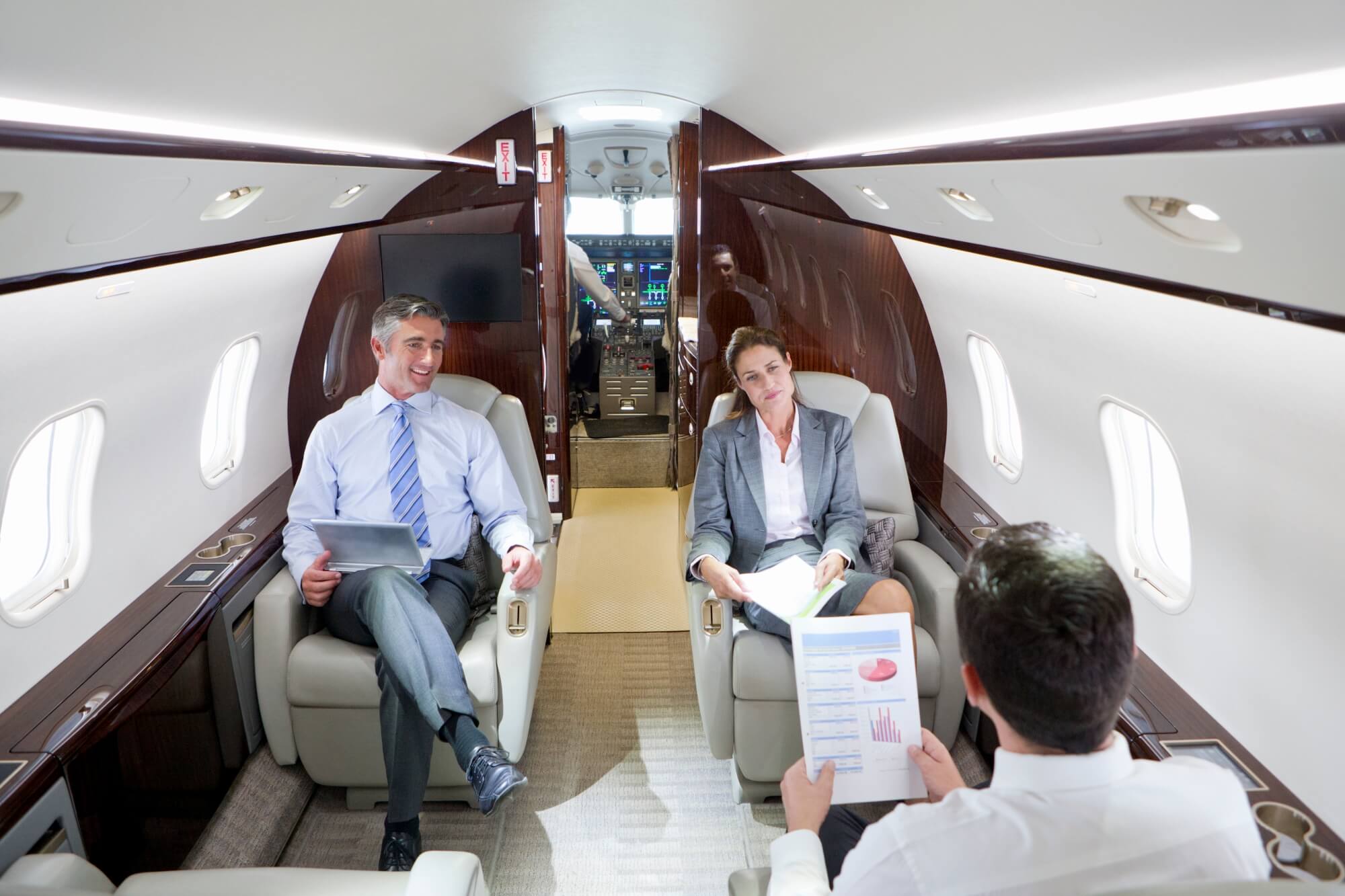
Private jets have quietly become extensions of the workplace. Cabins offer a secure, distraction-free environment where teams can:
– Hold confidential discussions
– Review financials and presentations
– Align on strategy before landing
In the early months of the year, when alignment and planning matter most, this ability to work uninterrupted in transit becomes a competitive advantage.
Flexibility That Matches the Reality of Q1

Early-year schedules are rarely static. Meetings move, opportunities emerge, and winter weather can disrupt even the best-laid plans.
Charter and fractional private jet solutions are especially valuable here. They allow executives to:
– Adjust departure times on short notice
– Reroute flights as priorities change
– Avoid congested hubs and weather-prone connections
– Access regional airports closer to final destinations
– The 4%+ growth in charter and fractional activity reflects this exact need: flexibility without long-term commitment.
Being Present Where It Matters Most
Despite advances in virtual collaboration, face-to-face interaction remains critical, particularly at the start of a new business cycle.
Private aviation enables leaders to maintain a strong physical presence across regions, reinforcing relationships with clients, teams, and stakeholders. Arriving on time, prepared, and without travel fatigue sends a clear message: priorities are aligned, and leadership is engaged.
How Business Leaders Are Planning Ahead for 2026
 Increasingly, executives are approaching private aviation strategically rather than reactively. Q1 is when many:
– Lock in preferred charter partnerships
– Evaluate fractional programs for recurring travel
– Design annual travel strategies that balance business and lifestyle needs
With business aviation activity recovering through 2025 and new jet deliveries projected to rise by approximately 5% in 2026, capacity and demand are expected to grow in parallel, making early planning more important than ever.
Looking Ahead
The most effective leaders don’t wait for momentum, they build it.
As 2026 begins, private jet travel, powered increasingly by flexible charter and fractional access, continues to stand out as a strategic advantage, not an indulgence. It protects time, sharpens focus, and allows leaders to act decisively when it matters most.
Starting the year ahead isn’t about flying differently. It’s about choosing smarter ways to move.
Contact us today to schedule your 2026 Q1 journeys.
Phone – 888.725.3871
Email – [email protected]


