

For business jet owners, engine maintenance represents the largest and most complex variable in total operating cost. While airframes follow predictable inspection schedules, engines operate under extreme thermal and mechanical stress, making maintenance both inevitable and expensive.
A single major engine event such as a hot section inspection or overhaul can cost anywhere from $500,000 to over $3 million, depending on engine type and condition.
To manage this exposure, most owners enroll in engine maintenance programs, also known as Hourly Cost Maintenance Programs (HCMPs). These programs convert unpredictable capital expenses into structured operating costs while improving reliability, liquidity, and asset value.
What Is an Engine Maintenance Program?
An engine program is a flight-hour-based maintenance coverage plan where owners pay a fixed rate per engine flight hour.
This hourly contribution builds a reserve that covers:
– Scheduled maintenance events such as hot section inspections (HSI) and overhauls
– Replacement of Life Limited Parts (LLPs)
– Unscheduled maintenance including component failures
– Labor, parts, and logistics
– Engine removal and reinstallation
– AOG support and, in many cases, access to loaner engines
From a technical standpoint, these programs align with modern on-condition maintenance philosophies, where engines are maintained based on performance data, wear trends, and inspection findings rather than rigid intervals alone.
How Hourly Cost Structures Work
Each engine program calculates an hourly rate based on several technical and economic variables:
– Engine model and thrust class
– Time Since New (TSN) and Cycles Since New (CSN)
– Remaining Life Limited Parts (LLP) life
– Historical utilization and mission profile
– Maintenance cost projections over the engine lifecycle
For example, a mid-size jet engine may carry an hourly program cost ranging from $200 to $600 per engine hour, while large-cabin engines can exceed $1,000 per hour per engine depending on coverage level.
These funds are held and administered by the program provider and are used to cover future maintenance events, effectively smoothing cost spikes over time.
Why Engine Programs Are the Industry Standard
1. Cost Predictability and Lifecycle Planning
Without an engine program, maintenance costs follow a spiky, capital-intensive pattern tied to major events:
– Hot Section Inspection intervals typically occur between 3,000 to 5,000 hours
– Overhauls may be required between 6,000 to 10,000 hours, depending on engine type
These events require significant downtime and capital outlay.
Engine programs distribute these costs evenly, allowing owners to:
– Forecast operating expenses with precision
– Align aviation costs with broader financial planning
– Avoid large, unplanned capital expenditures
Industry guidance and valuation data consistently show that structured maintenance programs improve cost visibility and financial control across the ownership lifecycle.
2. Technical Risk Mitigation and AOG Support
Aircraft engines operate in high-temperature, high-pressure environments, making them susceptible to:
– Turbine blade wear and thermal fatigue
– Compressor erosion or foreign object damage (FOD)
– Bearing and seal degradation
– Unexpected component failures
An unscheduled engine event can immediately ground an aircraft, creating an Aircraft on Ground (AOG) situation.
Engine programs mitigate this risk through:
– Comprehensive coverage of unscheduled maintenance
– Priority access to parts and global maintenance networks
– Dedicated AOG response teams
– Loaner or rental engine support in many cases
According to industry best practices referenced by organizations such as the National Business Aviation Association (NBAA), minimizing downtime is critical for maintaining dispatch reliability and operational continuity, especially for corporate and time-sensitive missions.
3. Lifecycle Management of Life Limited Parts (LLPs)
One of the most technical and costly aspects of engine ownership is the management of Life Limited Parts.
LLPs are critical rotating components with fixed cycle limits mandated by certification authorities such as the Federal Aviation Administration (FAA). Once these limits are reached, parts must be replaced regardless of condition.
LLP replacement costs can represent a significant percentage of total engine overhaul cost.
Engine programs:
– Track LLP cycles with precision
– Accrue funds for future replacement
– Ensure compliance with regulatory limits
– Eliminate large, unexpected capital requirements tied to LLP events
This is particularly important for high-cycle operations where LLP consumption accelerates.
4. Residual Value and Aircraft Liquidity
From a market perspective, engine program enrollment has a direct impact on aircraft valuation and buyer perception.
Aircraft that are:
– Fully enrolled on engine programs
– Up to date on maintenance
– Backed by transferable coverage
are generally easier to sell and command stronger pricing.
Conversely, aircraft not enrolled may require:
– Significant buyer discounts
– Pre-sale maintenance events
– Escrow adjustments for future engine liabilities
In many segments of the business aviation market, being on an engine program is considered a baseline expectation rather than a premium feature.
OEM vs Independent Engine Programs
 OEM Programs
Original Equipment Manufacturer programs are offered directly by engine manufacturers and provide:
– Full access to proprietary engineering data
– Integration with OEM service centers
– Global parts availability
– Consistent maintenance standards
Common OEM programs include:
– Textron PowerAdvantage Plus
– Williams TAP Advantage Blue and Elite
– Honeywell ESP Gold Lite and Gold
– Rolls Royce CorporateCare
OEM programs are often preferred for newer aircraft and high-utilization operations due to their depth of coverage and global support infrastructure.
Independent Programs
Independent providers such as JSSI offer:
– Flexible coverage across multiple engine types
– Customized contract structures
– Competitive pricing for certain aircraft segments
These programs are particularly relevant for:
– Mixed fleets
– Legacy aircraft
– Owners seeking tailored cost structures
Selecting the Right Engine Program
Choosing the optimal engine program requires a technical and financial evaluation of:
– Engine condition including borescope results and trend monitoring data
– Remaining LLP life and upcoming maintenance events
– Annual utilization in hours and cycles
– Mission profile including short-haul vs long-range operations
– Ownership horizon and exit strategy
For example, high-cycle operators may prioritize LLP coverage, while long-range operators may focus on thermal cycle management and hot section intervals.
The Strategic Role of Engine Programs in Aircraft Ownership
Engine programs are not just maintenance tools. They are a core component of aircraft asset management strategy.
They enable:
– Conversion of capital risk into predictable operating expense
– Protection against high-cost technical events
– Improved aircraft availability and dispatch reliability
– Preservation of long-term asset value
As business aviation continues to evolve, with increasing focus on efficiency, uptime, and financial discipline, engine programs remain central to how sophisticated owners manage both risk and performance.
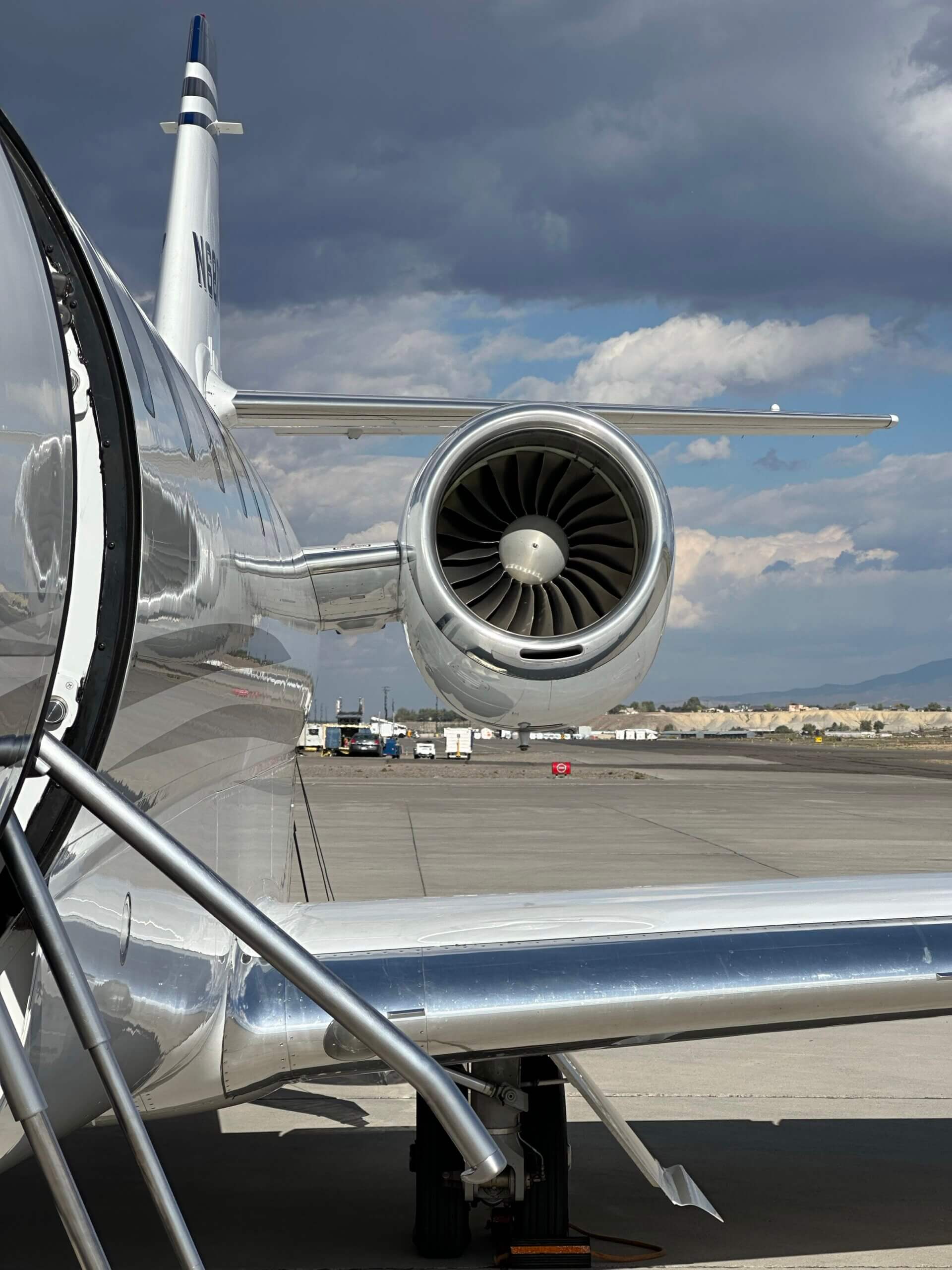 In a market where reliability, safety, and time efficiency are critical, engine maintenance cannot be left to chance.
Engine programs provide the structure, technical support, and financial predictability required to operate confidently at scale.
For most business jet owners, enrollment is not simply a maintenance decision. It is a strategic commitment to operational excellence and asset protection.
Contact us today for further details.
Phone – 888.725.3871
Email – [email protected]


